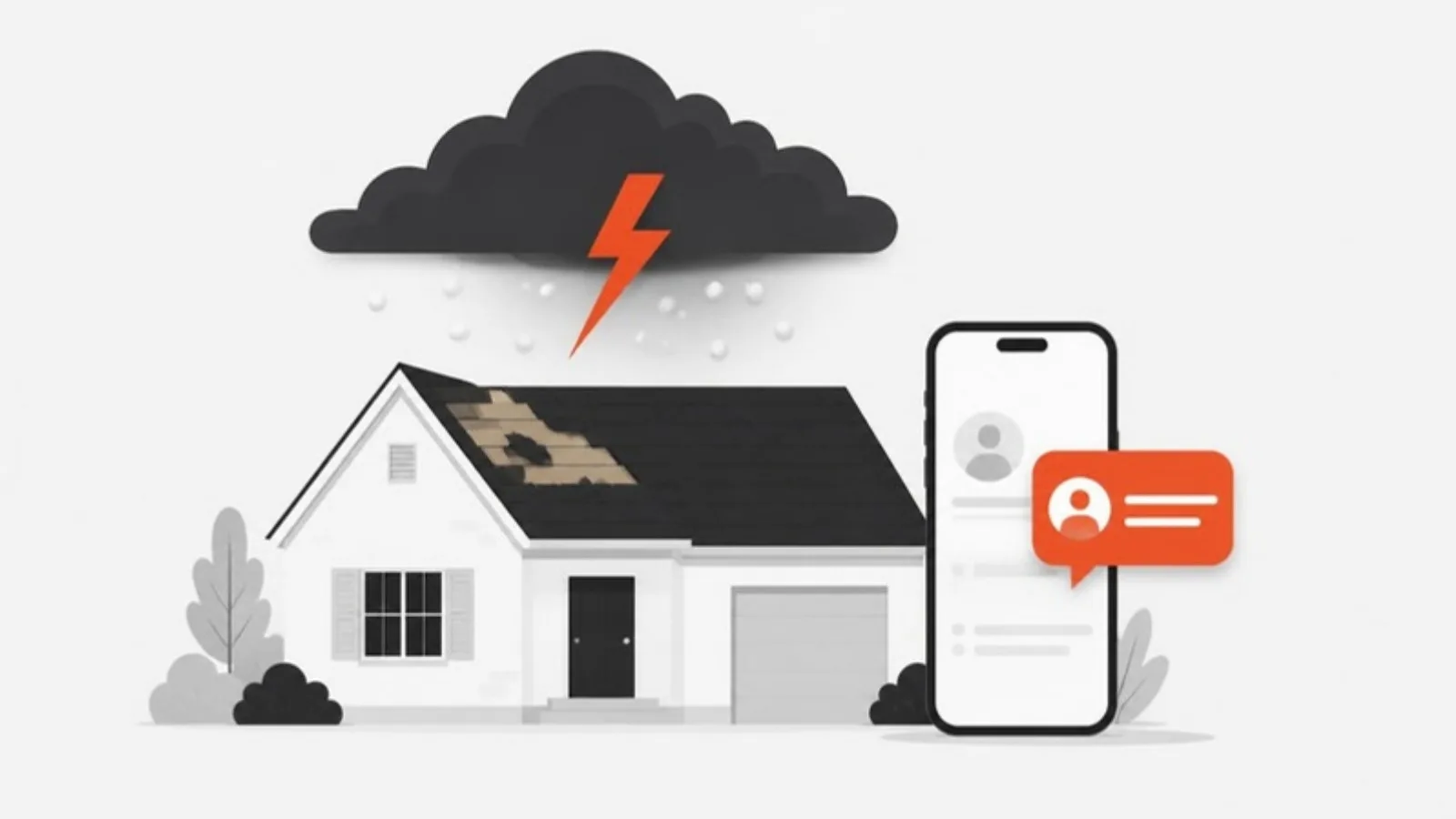
After a hailstorm, homeowners search "roof storm damage inspection" and call the roofers they trust. The companies that win those jobs aren't the ones knocking the most doors; they're the ones who look established online, respond fast and explain the process honestly. Here's what the 2025 data shows and how to build a storm response that brings inspections to you.
What the data shows
Verisk's 2025 US Roof Report, covered by Insurance Business in May 2026, found:
- The average residential roof replacement cost was $17,631 in 2025, up 33% on the prior four-year average; the average repair was $4,699.
- 16 states had severe hail impacts on more than 20% of roofs in 2025, up from 12 in 2024. Kansas led at 51.8%.
- Non-catastrophic wind and hail claims rose from 17% to 25% of residential claims between 2022 and 2024.
- Average deductibles rose 22% in 2025.
And State Farm paid more than $5.6 billion in hail claims in 2025, with Texas, Missouri, Illinois, Wisconsin and Oklahoma at the top. Its advice to homeowners: expect door-to-door contractors after a storm, "beware of scams," check licenses and reputation, and call your insurer before signing a contract.
What that means for your marketing
Bigger tickets and higher deductibles make homeowners more careful. Insurers are telling them to be suspicious of contractors who show up uninvited. So the roofers who win are the ones a homeowner finds, checks and trusts before they ever call.
Build a storm damage page
Create one strong page, not a new one for every storm, that answers:
- How to spot damage safely from the ground: dented gutters and vents, granules in downspouts, damaged siding or screens.
- When to call for an inspection, and what your inspection includes.
- How insurance claims usually work: contact your insurer, document damage, the adjuster visit, and how you help with photos and estimates. Don't promise outcomes, and never offer to cover deductibles.
- What it costs, including whether inspections are free.
- Why you're the safe choice: license number, insurance, years in business, local address and manufacturer certifications.
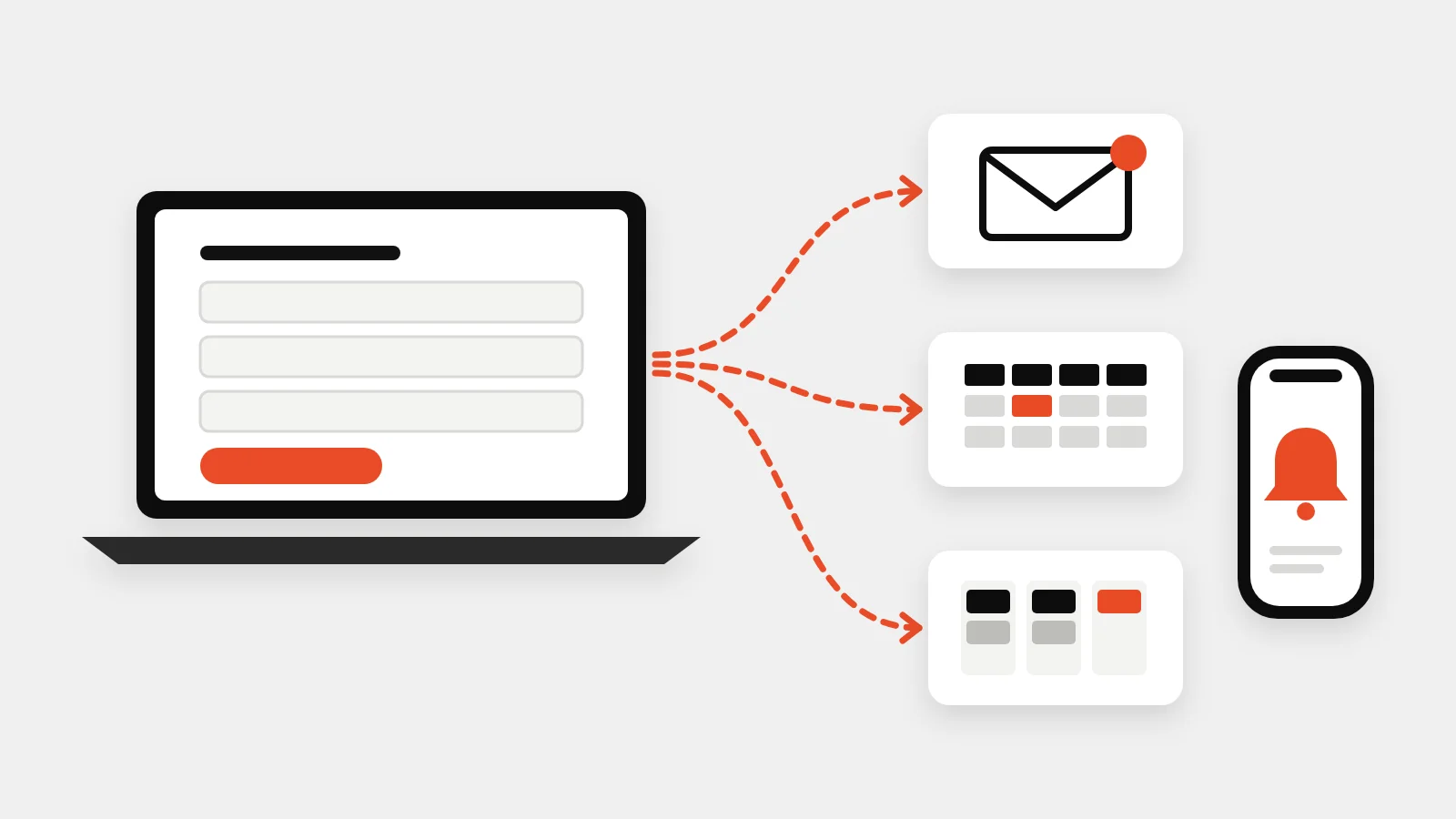
- A short inspection request form with photo upload, and your phone number.
Look local and legitimate
- Google Business Profile: complete, verified, with recent reviews and real photos of your crews and finished roofs. Keep it within Google's rules; our guide on preventing profile suspensions covers the common traps.
- Reviews that mention storm work and the claim process.
- Service area pages for the towns you actually serve, with local projects. See our guide to service area pages.
Respond in hours, not days
After a storm, phones light up. Route inspection requests to a dedicated person, send an instant confirmation with a realistic timeframe and book inspections in batches by neighborhood. Fast, professional replies beat aggressive follow-ups.
Use ads carefully
Search ads and Local Services Ads for storm-related searches in affected zip codes can work, but measure booked inspections and signed jobs, not clicks. Watch the Local Services Ads move into Google Ads and the new missed-call charges, which hit hardest when call volume spikes.
Get a roofing website built for storm season
We build roofing websites with storm damage pages, inspection booking and trust signals front and center, as part of our lead generation websites and local SEO. Get a fixed quote.