Plumber SEO is the work of showing up when someone near you searches "plumber," "water heater repair" or "burst pipe" and getting them to call you instead of the next company. For most plumbing companies that means two places: the map results Google shows first, and the regular results under them.
Google says it ranks local results on three things: relevance, distance and prominence, and that there's no way to pay for a better local ranking. You can't move your shop closer to every customer, so plumber SEO comes down to relevance (does Google understand what you do and where?) and prominence (do people trust you?).
Here's how to work on both, in the order we'd tackle them.
1. Get your Google Business Profile right
Your Google Business Profile is the listing in the map. It's the single most important piece of plumber SEO.
- Primary category: Choose "Plumber." Google says to pick the most specific category that describes your business and warns that the categories you choose "affect your local ranking."
- Additional categories: Add a few that are genuinely part of your business, such as drainage or water heater work. Google's advice is not to add a category for every service.
- Services: List every service you offer with a short description. This is where "sewer line repair" and "tankless water heater installation" belong.
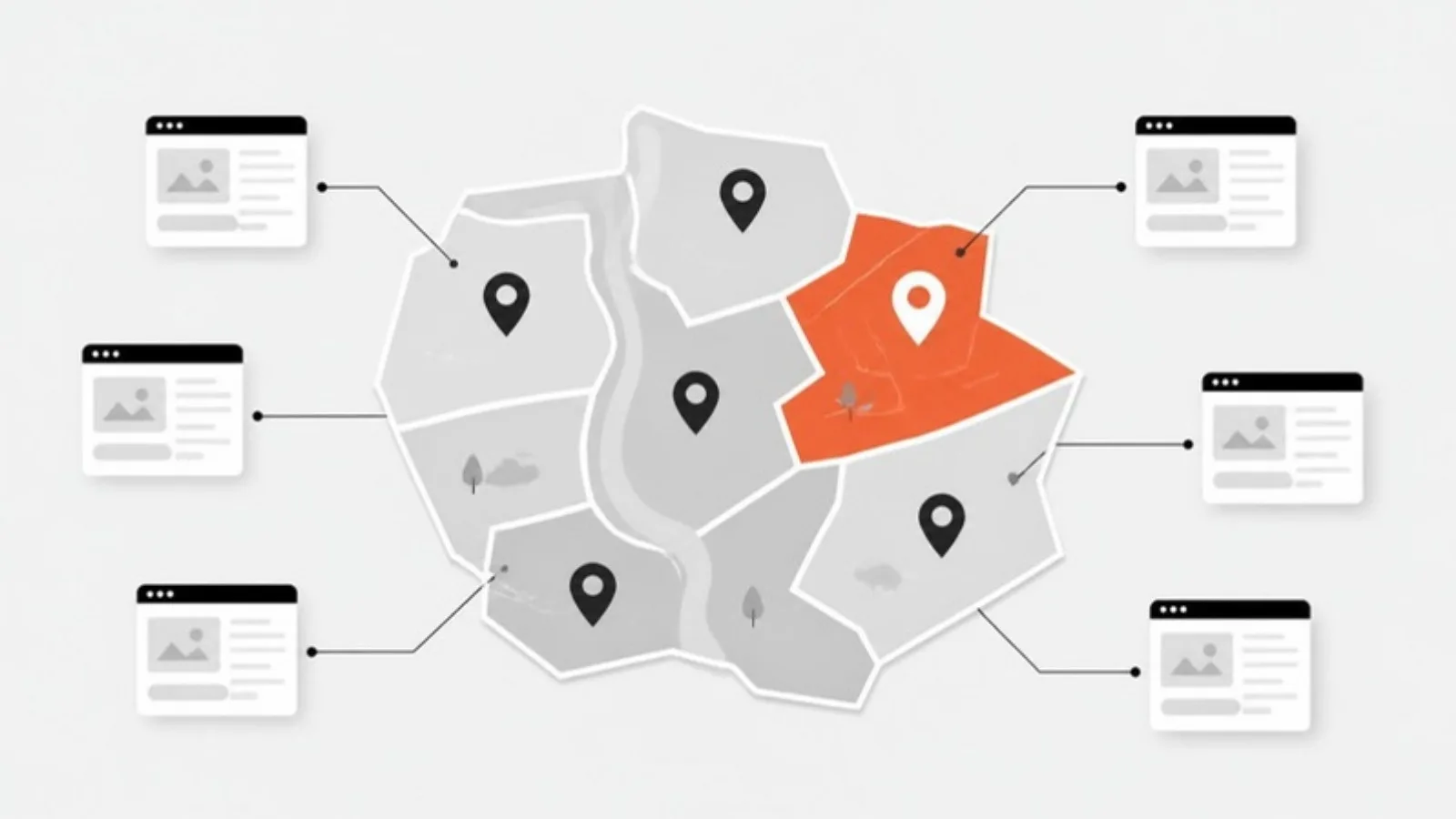
- Service areas: If customers don't visit you, remove your address and list your service areas instead. Google allows up to 20, and the whole area shouldn't stretch more than about 2 hours' drive from your base.
- Hours: Show 24/7 only if someone really answers at 2 a.m. Calls that ring out hurt you twice: lost jobs and unhappy reviews.
- Photos: Add real photos of your team, vans and finished work, and keep adding them.
2. Build a steady flow of reviews
Reviews feed prominence directly, and they decide who gets the call once you're on the list. BrightLocal's 2026 Local Consumer Review Survey found:
- 97% of consumers read reviews for local businesses.
- 74% only care about reviews from the last three months.
- 47% won't use a business with fewer than 20 reviews.
For a plumber, the best moment to ask is right after the problem is fixed and the customer is relieved. Send a text with your direct review link the same day, and reply to every review you get. Our guide on how to get more Google reviews covers the full routine.
3. Give every service and main town its own page
A homepage that lists "all plumbing services" can't rank for all of them. Searches for "water heater replacement" and "drain cleaning" are different searches with different customers.
Pages worth having for most plumbing companies:
| Page | Why it earns its place |
|---|---|
| Emergency plumbing | Highest-intent searches, often at night and on weekends |
| Water heater repair and replacement | High-value jobs with clear search demand |
| Drain cleaning and sewer lines | Frequent, repeat jobs |
| Leak detection and repair | Urgent and insurance-related |
| Repiping and remodels | Bigger tickets, longer decisions |
| Each main town you serve | Local relevance, if you have real local content |
Each page needs a clear heading with the words people search ("Water heater repair in Plano"), a short explanation of the job, prices or price ranges if you're comfortable sharing them, reviews from that kind of job and a big call button. Our guide to service area pages explains how to make town pages useful instead of copy-pasted.
4. Win the emergency searches
Emergency plumbing searches are where the money is and where most plumbers lose it. The customer calls three companies and books whoever answers first.
A Service Direct study of 1,000 home service calls found in-house teams answered only 66% of calls, while business owners thought they answered 97%. That study is from 2019, but the gap is still the most common leak we see.
What helps:
- A phone number in the header of every page, tappable on mobile
- Call forwarding or an answering service for after-hours calls
- An automatic text back to every missed call
- A short form for people who can't talk right now
Our emergency plumber marketing guide and speed to lead guide go deeper on answering.
5. Earn local links and consistent listings
Links from other local websites add to prominence. Good sources for plumbers:
- Manufacturer and supplier "find an installer" directories
- Your chamber of commerce and local trade associations
- Sponsorships of local teams or community events
- Builders, property managers and realtors you work with
Also make sure your business name, address and phone number are identical everywhere they appear: Apple Maps, Bing Places, Yelp, the BBB and Nextdoor. Mismatched details confuse search engines and AI assistants.
6. Track what actually brings calls
Check these once a month:
- Google Business Profile performance: calls, direction requests and website clicks from your listing
- Google Search Console: which searches show your site and which pages get clicks
- Call and form tracking on your website, so you know which pages bring booked jobs
Our guide to measuring website ROI shows how to set this up.
A 30-day plumber SEO plan
| Week | Focus |
|---|---|
| 1 | Fix your Google Business Profile: category, services, service areas, hours, photos |
| 2 | Start asking every customer for a review and reply to all existing reviews |
| 3 | Build or improve pages for emergency plumbing and your two biggest services |
| 4 | Fix directory listings, add call tracking and plan one local link a month |
Plumber SEO isn't a trick. It's a profile Google trusts, reviews customers trust and pages that answer what people search, kept up every month. Our local SEO checklist covers the same ground for any home service business.
We do this work for plumbing companies as part of our Google Business Profile and local SEO service. Get a fixed quote.