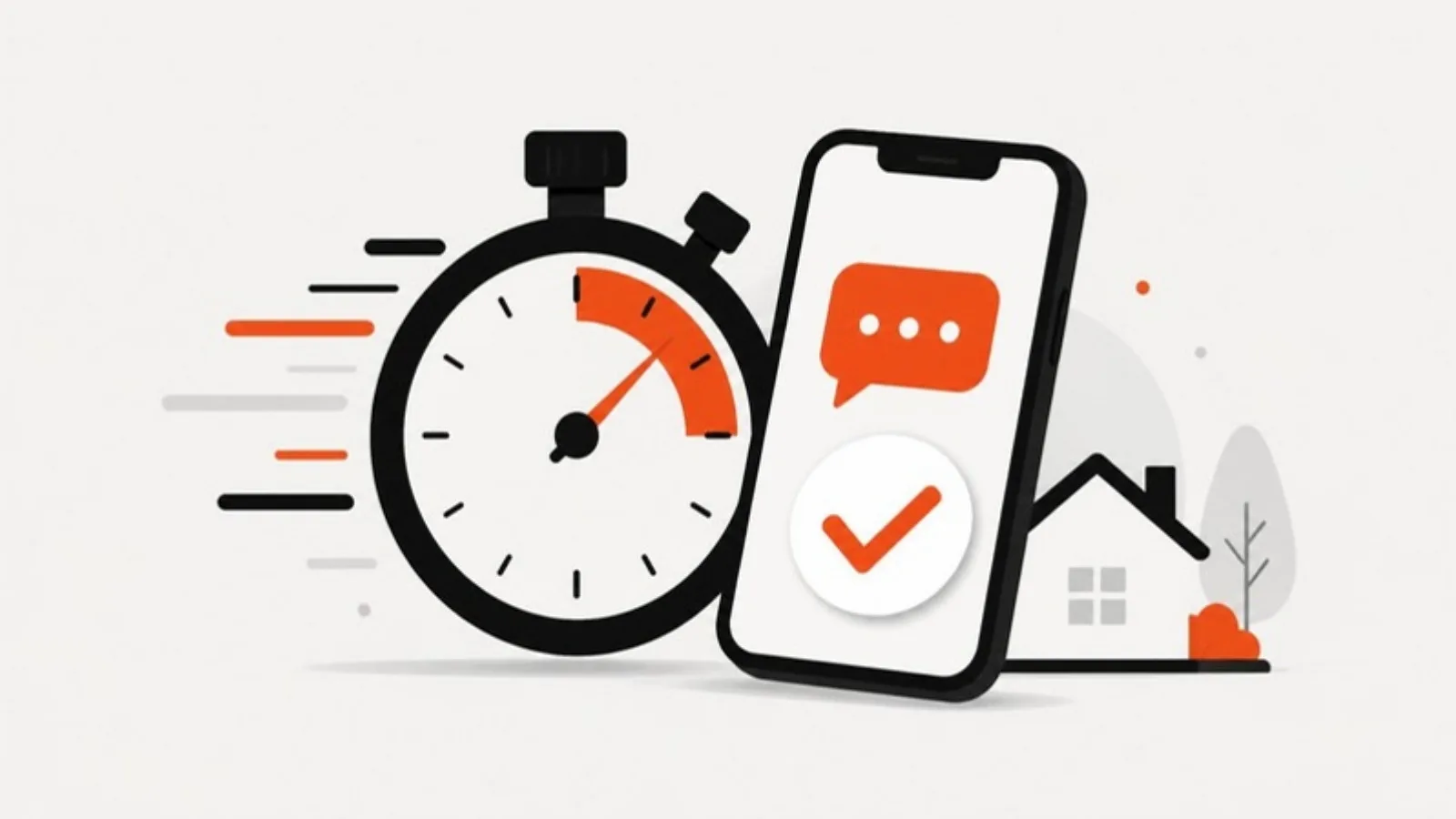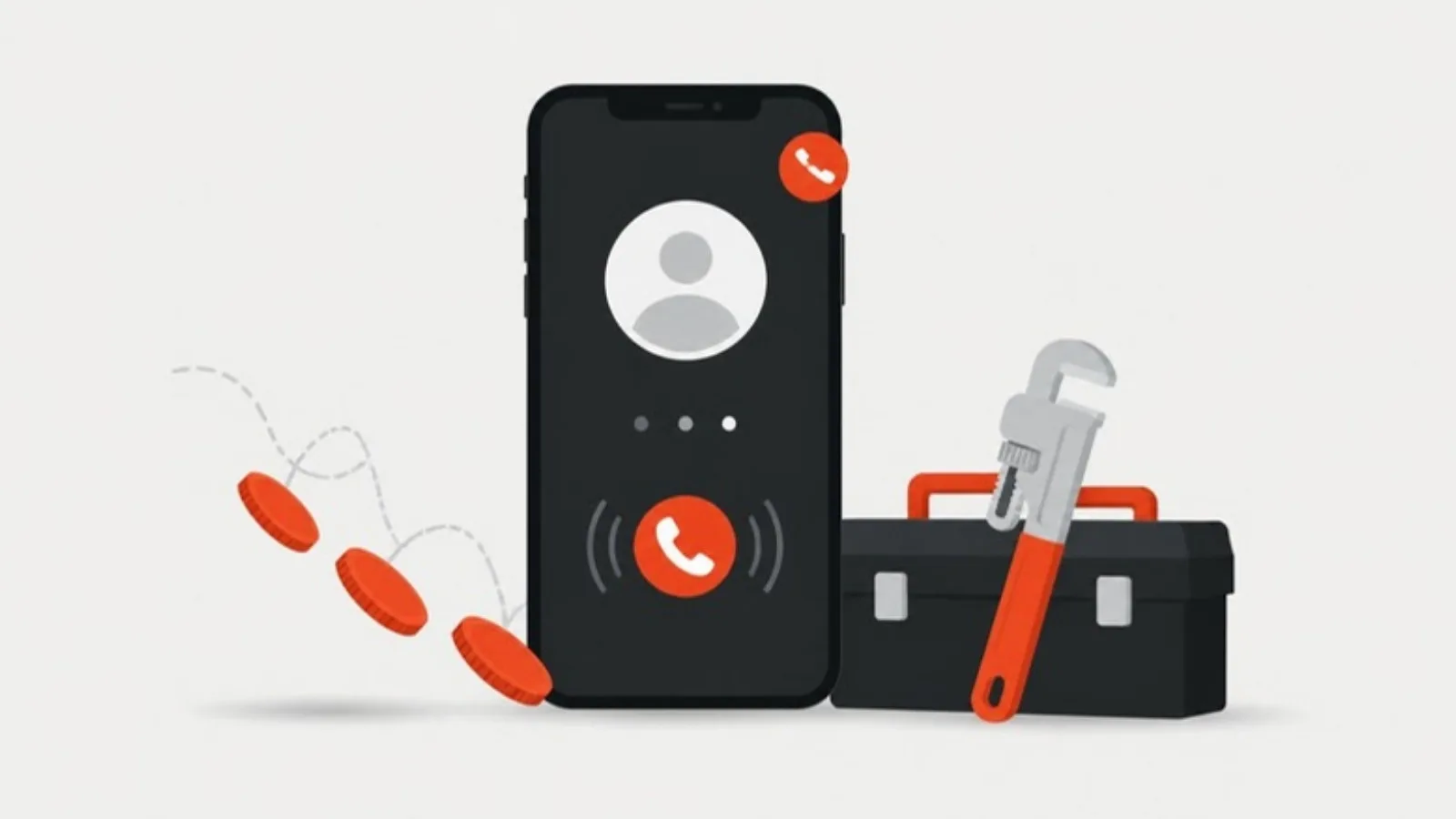
Google now bills Local Services Ads advertisers for missed calls. Since October 1, 2026, a call that rings out during your business hours counts as a valid lead if the caller stays on the line for more than 20 seconds. If your office misses calls at lunch, on job sites or when two come in at once, you're paying for those calls now.
Here's what changed, what it means for your cost per lead, and the practical fixes.
What exactly did Google change?
In a notice titled "Upcoming changes to lead charge policy," which reached advertisers on August 24, 2026, Google wrote that "missed calls during business hours will now be charged as valid leads if a user stays on the line for more than 20 seconds." PPC Land reported the notice the next day, along with three details worth knowing:
- Follow-up calls: Google's Ads Liaison said an advertiser is charged only once for repeat calls from the same person within 15 days.
- Phone menus: where your system needs a key press before routing, the 20-second clock starts after the press. A caller who never presses a key isn't charged.
- Voicemail: Google's existing definition already counted a voicemail from a customer as a valid lead, so callers who left a message were billable before this change.
Calls outside your listed business hours aren't covered by the new rule.
Why does this matter so much for home service businesses?
Because most small offices miss far more calls than they think. In Service Direct's home service call performance study, owners estimated they answered 97% of calls, but the measured in-house answer rate was 66%. Businesses using an answering service answered 99%.
If that pattern holds for your business, roughly one in three Local Services Ads calls could now be billed without anyone picking up. And the caller who didn't reach you usually calls the next listing.
It also comes on top of other changes. Google automated lead credits in 2024, so spam, wrong numbers and duplicates are credited automatically, but out-of-area and wrong-service calls no longer are, and there's no manual appeal of the automated decision.
How to stop paying for calls you never answer
1. Measure your real answer rate first
Pull last month's Local Services Ads lead report and your phone system's call log. Count calls that rang out, went to voicemail or lasted under a minute. That number, multiplied by your cost per lead, is roughly what missed calls now cost you each month.
2. Make sure someone, or something, always answers in business hours
- Overflow routing: ring a second phone, the owner's cell or an office manager when the first line is busy.
- An answering service for peak hours and lunch breaks. Service Direct's numbers suggest the gap between 66% and 99% answered is where the money is.
- An AI receptionist can take details and book simple jobs, but test it on your own calls before trusting it with angry or urgent customers.
3. Set business hours you can actually staff
The rule applies to calls during the hours you list. If you advertise 7 a.m. to 7 p.m. but the office empties at 5, either staff the gap or shorten the hours on your Local Services Ads profile and Google Business Profile.
4. Call back within minutes, not hours
A missed call is still a lead you've paid for. Jobber's survey of 1,050 US home service owners found that more than 55% of customers expect a reply within the hour, and 28% expect an immediate one. A text-back that goes out automatically when a call is missed, followed by a real callback, saves a lot of these.
5. Tighten service areas and job types
Since out-of-area and wrong-service calls aren't credited anymore, remove zip codes you don't want to drive to and job types you don't do. Every irrelevant call is now one you pay for.
6. Review charged leads every month
Look at which leads were charged, flag obvious spam and track the missed-call share over time. If it isn't falling, the phone setup is costing you more than the ads.
Should you think about a press-1 menu?
A short menu ("press 1 for service, 2 for billing") filters robocalls and, under Google's notice, delays the billing clock until the key press. The trade-off: some genuine customers, especially in an emergency, hang up at menus. If you try one, keep it to a single option and compare booked jobs before and after.
Don't rely on one channel
Local Services Ads are moving into Google Ads over 2026 and 2027, and the billing rules will keep changing. Calls from your own website and Google Business Profile aren't billed per lead at all, which is why we build lead generation websites with tap-to-call on every page and call tracking from day one.
If you'd like a second pair of eyes on your ads and phone setup, our SEO and marketing service covers Local Services Ads management, or you can get a fixed quote.